
Scoliosis and Physiotherapy: Managing Pain and Movement
Scoliosis is a sideways curvature of the spine. It can be present from childhood or develop later, and for many people the main day-to-day issues are pain, stiffness, fatigue with certain positions and confidence with activity rather than the curve itself. Physiotherapy cannot correct or cure a spinal curve, but it can help you manage symptoms, stay mobile and keep doing the things that matter to you. This page explains what an assessment looks at, how treatment typically helps, and when your GP or a specialist should be involved.
What a physiotherapy assessment looks at
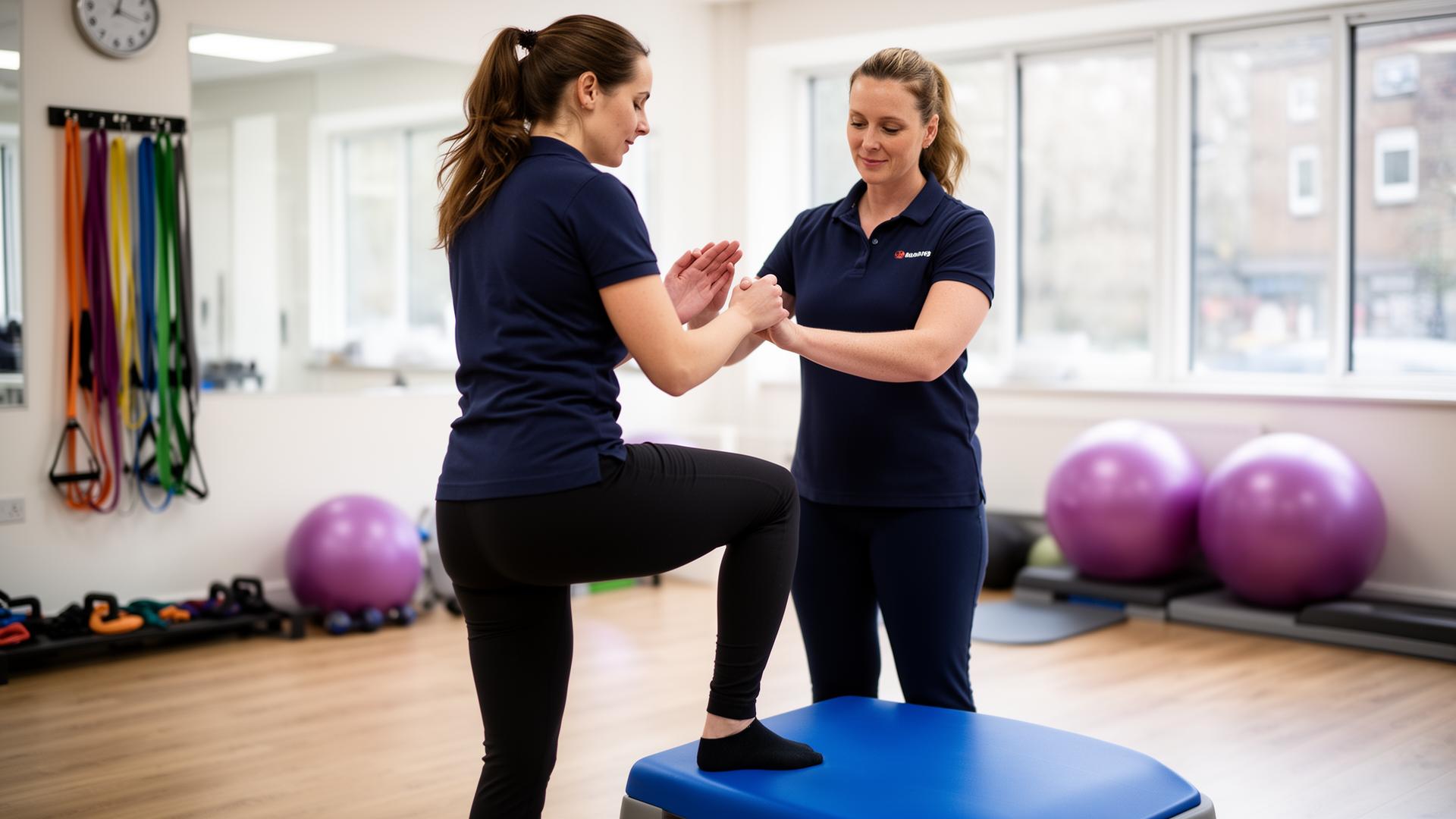
The physiotherapist will ask when your scoliosis was first identified, what medical care you have already had and what is troubling you now. They will look at how your spine, shoulders and hips move, check your strength and flexibility, and watch how you manage everyday tasks such as sitting, standing, walking and lifting. Bring any letters, scan reports or exercise sheets you already have, and say if you are waiting for a specialist review. The assessment is about understanding your movement and symptoms, not about measuring or judging the curve itself.
How physiotherapy can help manage symptoms
Treatment usually focuses on the things that make daily life easier: easing pain and stiffness, improving how you move, and building strength in the muscles that support your back and trunk. A plan may include hands-on treatment where appropriate, exercises to practise at home and practical advice on sitting, sleeping positions and activity. Many people with scoliosis find that staying active helps, and your physiotherapist can help you find ways to exercise that suit you. What physiotherapy cannot do is straighten the curve, and you should be cautious of anyone who promises that.
Posture, work and everyday activity
Long periods in one position, whether at a desk, behind a wheel or on your feet, can make symptoms more noticeable. Small changes often help: varying your position through the day, setting up your workspace sensibly and building movement breaks into routine tasks. Our lower back pain guide covers general back care in more detail and is a useful companion to this page. Tell your physiotherapist what your typical day looks like so the advice fits your real life rather than an ideal one.
When to see your GP or a specialist
See your GP if your back pain is new, getting worse or stopping you from doing normal activities, or if you have not had your scoliosis reviewed for some time. Children and teenagers whose spines are still growing should be under specialist care, as curves can change during growth. Adults noticing a visible change in their shape, increasing stiffness or new symptoms should also seek medical review. If you are under a hospital team, keep attending your reviews and tell your physiotherapist what your specialists have advised.
What to expect at a first appointment
Your first visit at Blue Bell Hill is a conversation and an examination. The physiotherapist will ask about your history and goals, look at how you move, and explain what they find in plain language. You will usually leave with a clear idea of what is contributing to your symptoms, what you can start doing straight away and whether any exercises or follow-up sessions would help. Wear loose, comfortable clothing that lets your back be examined. You can book directly without a GP referral, and you are welcome to ask questions at any point.
Symptoms that need urgent medical help
New loss of bladder or bowel control, numbness around the groin or saddle area, or sudden severe weakness in your legs needs emergency help: go to A&E or call 999. Back pain after a significant fall or accident should be checked medically before you exercise. See your GP promptly for fever, unexplained weight loss, severe night pain that does not ease with movement, or pain that is steadily getting worse. These symptoms are uncommon, but they should never wait for a routine appointment.
Common questions
Can physiotherapy cure scoliosis?
No. Physiotherapy cannot correct or cure a spinal curve. It can help manage pain, stiffness and strength so that everyday activities are easier, and it works alongside any specialist care you receive.
Can exercise help my scoliosis symptoms?
Staying active is generally helpful, and targeted exercises can improve strength, flexibility and comfort. Your physiotherapist will suggest exercises based on your assessment rather than a generic list.
What should I bring to a first appointment?
Bring any medical letters, scan reports or exercise sheets you already have, and think about which activities you would most like to make easier. Wear loose clothing that lets your back be examined.
Should new back symptoms be blamed on scoliosis?
No. New or changing symptoms need their own assessment, especially the urgent warning signs above. Do not let an existing diagnosis delay getting medical advice.