
Some of the Conditions We Treat
Back Pain
From acute episodes to chronic disc problems. We assess thoroughly, identify the cause and build a treatment plan that works — combining manual therapy with targeted rehabilitation.
Neck Pain
Stiffness, headaches, nerve pain and postural problems. We treat the root cause rather than just managing symptoms.
Knee Pain
Ligament injuries, meniscus problems, runner's knee, arthritis and post-surgery rehabilitation. Expert assessment and treatment to get you moving confidently.
Shoulder Pain
Frozen shoulder, rotator cuff problems, impingement and sport-related injuries. Hands-on treatment and progressive rehabilitation.
Sciatica
Nerve pain, leg symptoms and disc-related problems. We identify the source and treat it properly — not just the symptoms.
Chronic & Recurring Pain
Long-standing pain that hasn't responded to previous treatment. We take a thorough, multi-faceted approach to persistent pain conditions.
And much more, including headaches, jaw pain, hip pain, foot and ankle problems, post-surgery recovery, work-related strains and complex pain that hasn't responded elsewhere. If you're not sure whether we can help, just get in touch.
Our Approach to Pain Treatment
We don't just treat the symptoms. Every patient receives a thorough assessment to understand what's actually causing their pain. From there, we combine hands-on treatment with structured rehabilitation to address the root cause and build long-term improvement.
- Thorough assessment and diagnosis
- Hands-on manual therapy
- Shockwave therapy where appropriate
- Laser therapy
- TECAR therapy
- Shortwave therapy
- Ultrasound therapy
- Electrical muscle testing and stimulation
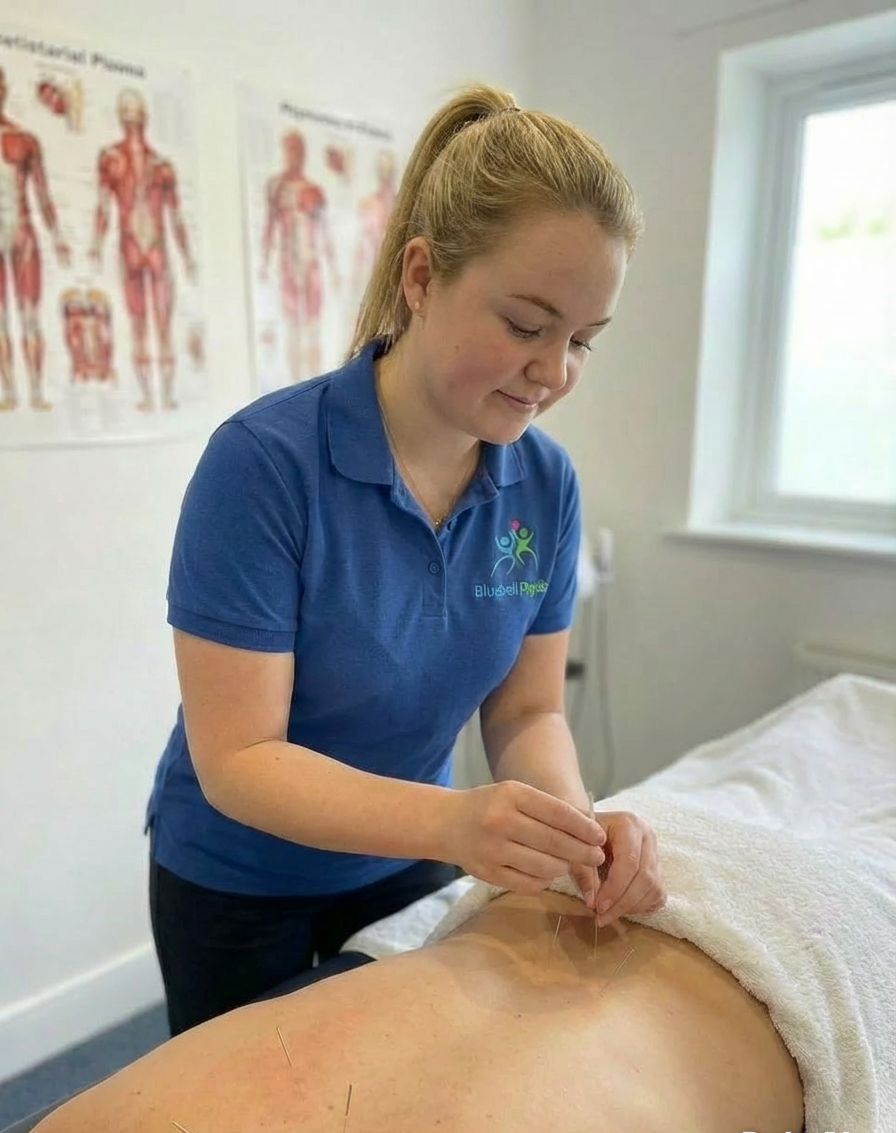
- Acupuncture for pain relief
- Structured exercise rehabilitation
- Nervous system and mindset resets
- Education and self-management support
What is the best back pain treatment?
For most back pain, the most useful treatment combines staying active, a clear explanation of what is going on and exercise that builds your back's tolerance for the things you need to do. Hands-on treatment, acupuncture and the other therapies listed above can ease pain while that happens, but they work best as part of a plan rather than on their own. Low back pain without leg symptoms is usually treated this way. Our guide to back pain treatment with physiotherapy explains the approach step by step.
Sciatica and disc-related pain
When pain spreads down the leg with pins and needles or numbness, the treatment plan changes. Sciatica pain treatment focuses on easing nerve irritation, keeping you moving and checking strength and sensation over time. Our sciatica page and slipped disc treatment page cover these problems in more depth.
Back pain treatment at home
What you do at home matters as much as what happens in the clinic. Gentle walking, changing position regularly and the specific exercises your physiotherapist gives you are usually the core of home treatment. Heat can ease muscle spasm for some people. Simple pain relief may help you keep moving; ask a pharmacist or your GP what is suitable for you. Avoid long periods of bed rest, which tend to make stiffness worse.
Neck, shoulder, knee, hip and foot pain
The same principle of assessment first applies to neck pain, shoulder pain, knee pain, hip pain, and ankle and foot pain. Each condition page explains the common causes and what treatment involves, so you can read about your own symptoms before booking.
When back pain needs a doctor first
Go to A&E straight away for numbness around the genitals or buttocks, new bladder or bowel problems, or weakness in both legs. See your GP promptly for back pain with fever, unexplained weight loss, a history of cancer, or pain after a significant fall or accident. Otherwise you can book directly with our HCPC-registered physiotherapists at Blue Bell Hill, Monday to Saturday from 8am to 8pm.
Chest wall and pelvic pain
Once medical causes have been ruled out, our costochondritis guide explains chest wall pain beside the breastbone. Pain low on one side of the back or buttock is covered in our SI joint pain guide.
Common questions
Why have back pain treatment rather than wait?
Many episodes settle on their own, but treatment can help you understand the problem, keep moving and reduce the chance of it dragging on.
What is the treatment for low back pain?
Usually staying active, exercise built around your daily demands and advice, with hands-on treatment or other therapies where they help.
What is sciatica pain treatment?
It focuses on easing nerve irritation with positions and exercises that reduce leg pain, staying active and checking for warning signs.
What is the best back pain treatment?
There is no single best treatment. A plan matched to your assessment, combining exercise, advice and hands-on care where useful, suits most people.
Can I treat back pain at home?
Much of the work happens at home: regular gentle movement, your prescribed exercises and avoiding long spells of bed rest.