
Thoracic Outlet Syndrome: Symptoms, Assessment and Physiotherapy
Thoracic outlet syndrome (TOS) describes symptoms thought to come from nerves or blood vessels being compressed in the space between your neck and shoulder. It can cause pain, tingling, numbness or weakness in the arm and hand, often worse with certain positions or activities. Because similar symptoms can come from the neck, shoulder or wrist, a careful assessment matters. This page explains what physiotherapy looks at, how it typically helps manage symptoms, and when your GP or a specialist should be involved.
What the symptoms can feel like
People describe aching or pain in the neck, shoulder or arm, tingling or numbness in the hand or fingers, and a heavy or tired feeling in the arm, sometimes worse when carrying a bag, working overhead or sitting for long periods. Note which part of the arm or hand is affected, when symptoms come on and what eases them. Our pins and needles guide explains the different places nerve symptoms can arise, which is why a single symptom cannot confirm TOS on its own.
What a physiotherapy assessment looks at
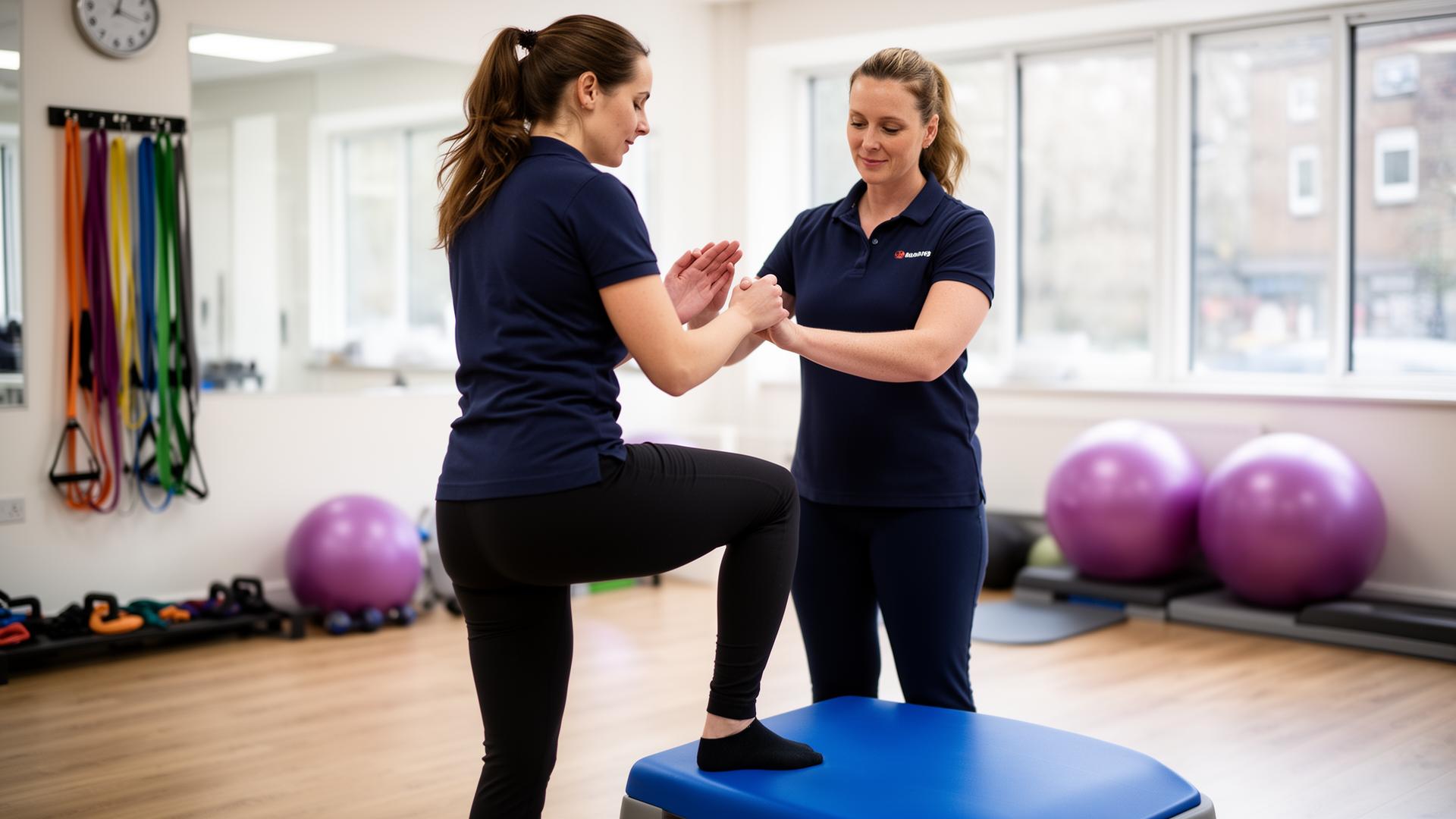
The physiotherapist will ask about your symptoms, your work and your activities, then examine your neck, shoulder and arm together. This can include checking movement, strength, sensation and reflexes, and seeing how your symptoms respond to different positions. Because the neck and shoulder are so closely linked, our neck pain and shoulder pain pages are useful background reading. The aim is to build a picture of what is driving your symptoms before any treatment plan is suggested.
How physiotherapy typically helps
Where TOS-type symptoms are linked to posture, muscle tension or how the shoulder and neck move, physiotherapy can help manage them. Treatment may include hands-on work to ease tight muscles and stiff joints, exercises to improve strength and control around the shoulder blade and neck, and practical advice on desk setup, carrying and activity. Many people notice that symptoms build through the working day, so advice often covers how to vary positions and pace tasks. Progress is usually gradual, and your physiotherapist will review how you respond rather than promise a fixed outcome.
When to see your GP or a specialist
See your GP if your symptoms are persistent, getting worse, or include constant numbness or noticeable weakness in the hand. If a doctor has already used the term thoracic outlet syndrome, bring their letter and any advice about tests or review to your appointment. Some people need specialist investigation, particularly where blood vessels may be involved, and your physiotherapist will tell you if your symptoms suggest that route. Physiotherapy works alongside medical care, not instead of it.
What to expect at a first appointment
Your first visit at Blue Bell Hill is a conversation and an examination. The physiotherapist will ask when symptoms started, what your day involves and what you want to get back to, then examine the relevant movements and explain their findings in plain language. You will usually leave with a clear understanding of the likely contributors, any exercises or changes to start with, and whether follow-up would help. You can book directly without a GP referral, and you can ask questions at any point.
Symptoms that need urgent medical help
Call 999 for sudden weakness or numbness on one side of the body with facial droop or speech difficulty, or chest pressure with arm symptoms and breathlessness. A cold, pale or blue hand, or symptoms after a significant injury, need urgent medical assessment, including A&E where appropriate. Rapidly worsening weakness or constant numbness warrants prompt GP review. Do not wait for a routine appointment with these symptoms.
Common questions
Does hand tingling mean I have thoracic outlet syndrome?
Not necessarily. Tingling can come from the neck, shoulder, elbow or wrist, so an individual history and examination are needed before any conclusion.
Can physiotherapy help TOS symptoms?
Where symptoms are linked to posture, muscle tension or movement, physiotherapy can help manage pain, mobility and strength. Your physiotherapist will tell you if your symptoms need medical investigation instead.
What should I bring to a first appointment?
Bring any medical letters or test results you already have, and be ready to describe when symptoms come on and what your typical day involves.
Should I try stretches before getting assessed?
Gentle movement is usually fine, but do not use a generic programme to delay checking persistent numbness, worsening weakness or any urgent symptoms. Discuss appropriate movements with the clinician assessing you.