
Groin Strain: Treatment and Physiotherapy
A groin strain can involve the adductor muscles on the inside of the thigh, which work during kicking and changes of direction. Treatment starts with assessment because not all groin pain is a muscle strain. Bluebell’s existing groin information describes distinguishing adductor symptoms from hip, hernia and other problems before discussing strengthening and return to activity. This guide focuses on an injury and rehabilitation plan, rather than the broader aching hips and groin topic.
How the injury started matters
Describe the movement you were making when pain began: a kick, a sideways step, a change of direction or something less obvious. Say whether discomfort was sudden or accumulated across sessions. Note the area you feel it, whether there is tenderness and which movements have become difficult. Pain squeezing the knees together is a symptom described in our existing groin information, but it is not a self-test that establishes the diagnosis. The history helps guide the examination and whether medical review is needed before an exercise plan is considered.
Groin pain is not always an adductor strain
Hip-related symptoms and other problems can be felt in the same region. A label from an internet search does not separate them. Our aching hips and groin guide explains that wider symptom question; our hip pain page offers another starting point if stiffness or walking difficulty is your main concern. Tell the clinician about any existing diagnosis, previous injury and symptoms that seem unrelated to sport. Do not assume pain on the left identifies a particular tissue or that being able to finish a session means the problem is minor.
Why a groin strain may keep returning
Bluebell’s existing information identifies reduced adductor strength relative to sport demands, hip movement restrictions and an overly rapid return to activity as possible factors. They are possibilities to assess, not a claim about the cause of your own symptoms. Explain what happens between episodes: do you rest until discomfort eases, then resume the same kicking or sideways loads? Describe any changes in training, fatigue and exercise practice. Assessment can compare the activity demands with current movement and strength instead of treating each recurrence as an entirely separate event.
Treatment should connect to the examination
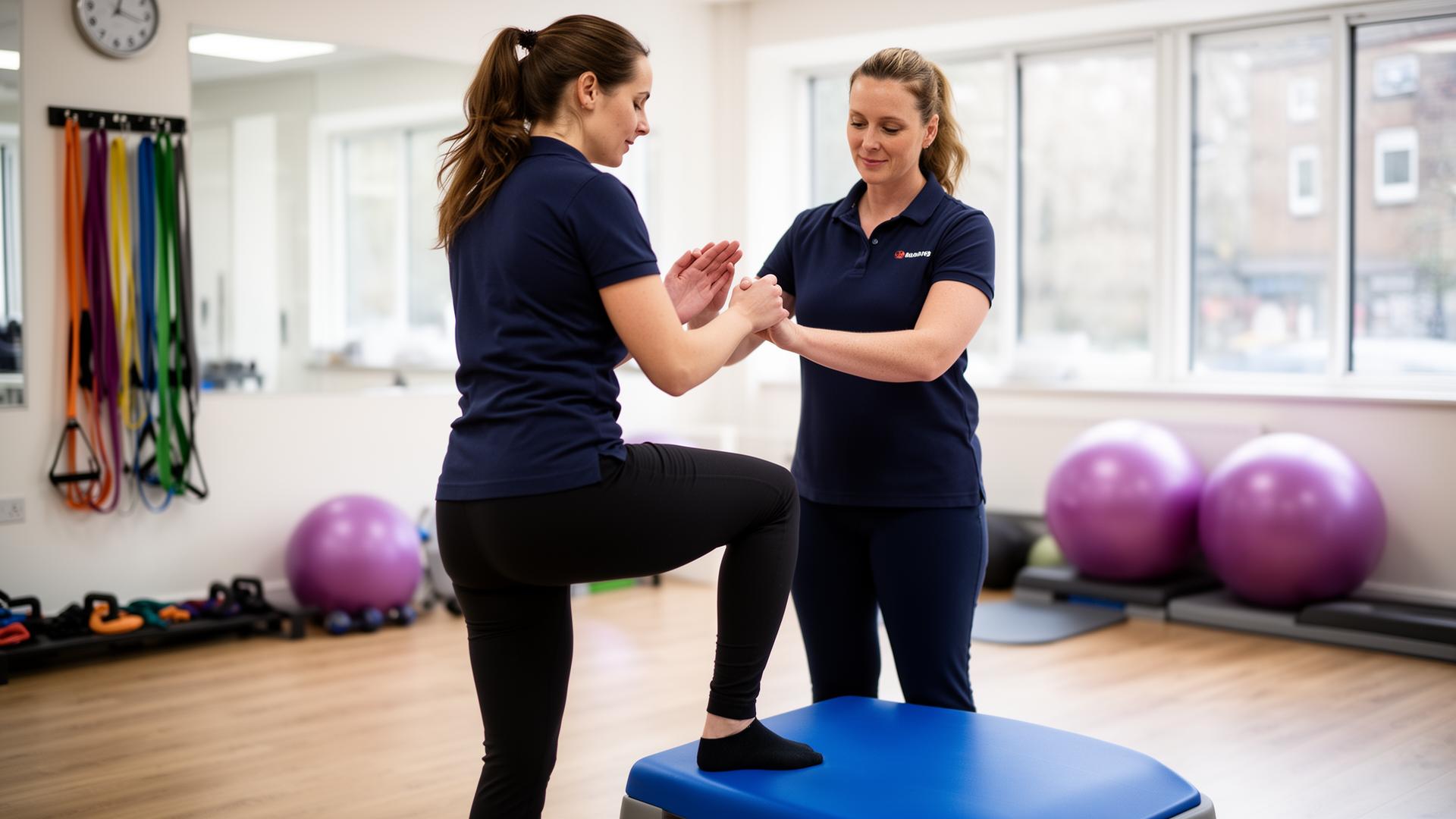
Where appropriate, the plan may include hands-on care, adductor strengthening and gradual reintroduction of sporting movements. Ask which exercise fits your current stage and how to practise it without turning a general description into an unsupervised programme. A demanding exercise found online is not automatically the right place to begin. Our sports physiotherapy service is the appointment route for injury assessment and rehabilitation. Bring relevant medical letters and explain any earlier treatment so advice can be considered together. There is no fixed number of sessions or guaranteed recovery promised before you are examined.
Reintroducing running, kicking and direction changes
Being comfortable while resting is a different task from coping with repeated movement. Tell your physiotherapist about the demands you want to return to, whether recreational exercise or a particular sport. Discuss stages that make sense for those demands, including how you respond later rather than only during practice. Strength work and activity progression should be explained in terms you can use between visits. If work also involves lifting or long periods on your feet, include that in the conversation. A match date or training plan is context, not proof that the groin is ready.
When to seek medical help instead
Groin or hip pain after significant trauma or an inability to put weight on the leg requires urgent medical assessment. Feeling unwell with a hot swollen joint also needs medical advice, not a routine sports massage. Seek prompt GP review for unexplained weight loss or persistent night pain. Go to A&E immediately for new bladder or bowel changes with numbness around the groin or buttocks. For non-emergency symptoms, contact Bluebell to discuss assessment at Blue Bell Hill and current fees. Booking should follow the nature of the problem, not an assumption that every groin symptom is treatable with massage.
Common questions
How do I treat a groin strain?
Have the injury assessed so activity changes and exercises fit the findings. The existing approach includes appropriate strengthening and a staged return to movement, rather than a single treatment for everyone.
Why does my groin strain keep coming back?
The activity demands and rehabilitation completed between episodes are useful questions. Similar symptoms can also have other causes, so recurrence deserves reassessment rather than guessing.
What is a left groin strain?
It describes a suspected strain on the left side. The side alone does not confirm a diagnosis or severity; explain the movement that triggered it and any associated symptoms.
Should I book massage first?
If pain follows an injury or affects movement, ask about physiotherapy assessment. Massage is not a substitute for checking the cause of groin symptoms.