
Meniscus Tear Physio: Assessment and Rehabilitation
Meniscus tear physio starts with your knee symptoms, movement and any medical advice already received. Bluebell’s existing knee services include meniscus problems and rehabilitation after meniscus repair. This guide explains how to prepare for that discussion and how care relates to daily activity or sport. It does not diagnose a torn meniscus from pain, clicking or a scan description, and it does not decide whether an operation is needed.
Bring the whole knee story
Explain whether the knee became painful during an incident or changed gradually. Mention swelling, giving way, catching or a feeling that it will not straighten. Describe what is difficult now, including stairs, getting out of a chair and walking. Our knee pain guide is the broader symptom starting point and discusses different reasons a knee may hurt. A previous diagnosis of a torn meniscus is useful information, but the appointment still needs to consider the current difficulty and any changes. Do not assume every new symptom comes from the same finding.
If you already have a scan or consultant letter
Bring the report and the advice you have been given, rather than relying on a short phrase remembered from an appointment. Say whether further review is planned and whether any movement or weight-bearing restrictions apply. You do not need to arrange a scan yourself simply to contact the clinic about knee symptoms. Assessment can help identify the questions that remain and whether medical input is appropriate. A physiotherapy webpage cannot interpret an individual scan in isolation or settle a surgical decision. Ask your treating medical team to clarify recommendations that are unclear.
What an assessment can look at
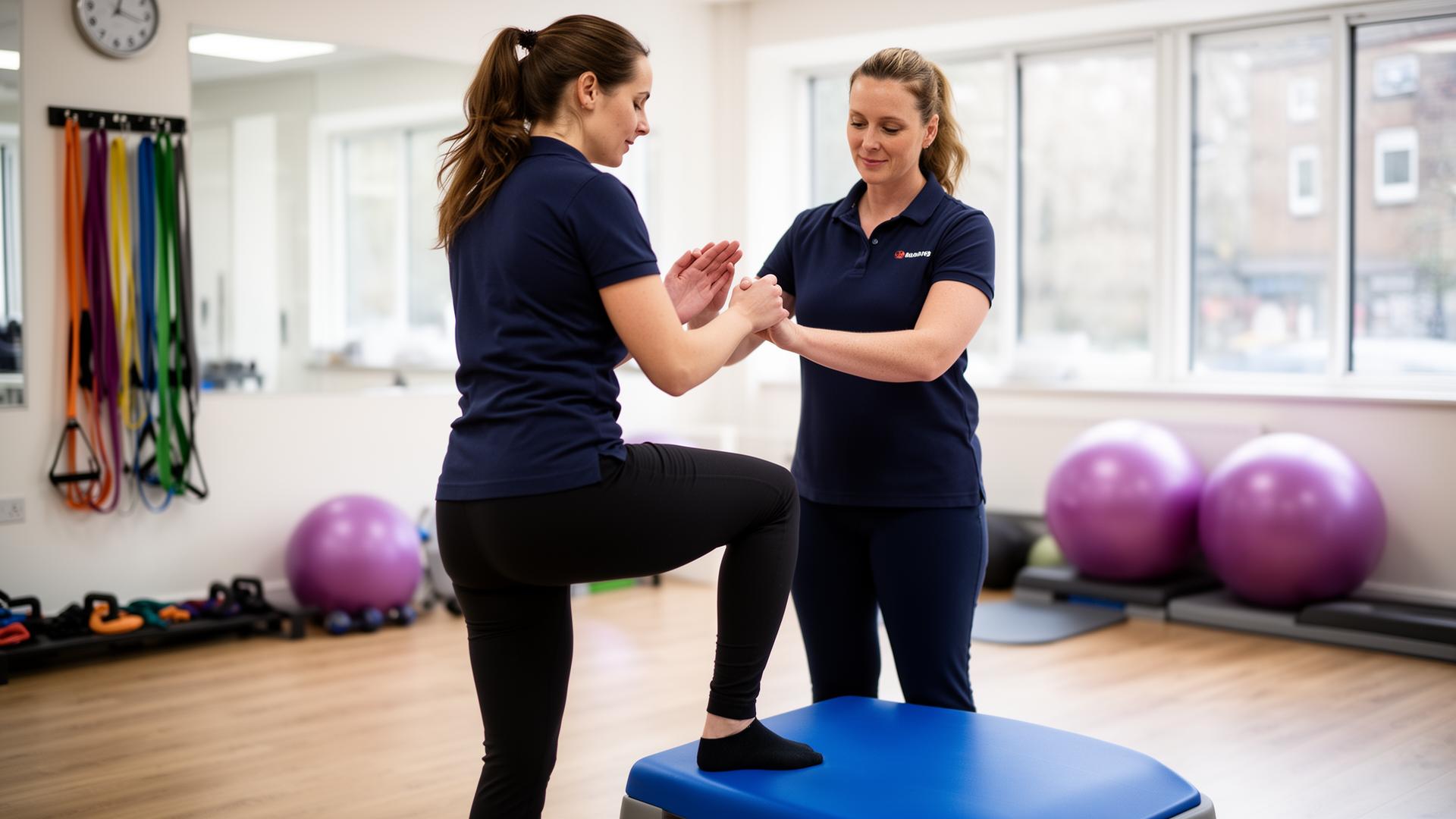
Bluebell’s knee information describes examining gait, squatting, balance and hip strength alongside the knee. Tell the physiotherapist which tasks matter most rather than focusing only on an isolated painful spot. Your history and examination help guide exercise choices and any suitable hands-on work. You can ask why a movement is being checked and explain if it is not something you feel able to attempt. Our private physiotherapy page describes the wider assessment service, including bringing relevant hospital information. The aim is an understandable plan, not a promise that one technique will resolve every meniscus problem.
Rehabilitation after a meniscus operation
If you have had a repair or another knee procedure, the surgical team’s instructions take priority. Bring the operation details, exercise sheets and restrictions so the physiotherapist knows what has been advised. Do not substitute a general knee exercise guide for those precautions or assume another person’s timetable applies to you. Discuss what you are permitted to do, what needs review and which practical tasks are currently challenging. The after-surgery guide explains how physiotherapy fits alongside hospital advice. It is separate from knee replacement rehabilitation, which concerns a different operation and should not be treated as interchangeable.
From comfortable movement to activity demands
Explain whether you want to manage household stairs, return to a physical job or resume exercise. Those goals involve different loads and repetitions. The existing knee service describes targeted strengthening and a graded return to activity. Ask how the exercises relate to your goals and how to respond if swelling or symptoms change. A quiet knee while resting does not answer every question about demanding activity. For sporting needs, sports physiotherapy can connect assessment with return-to-training planning. Progress should be reviewed against function and the applicable medical precautions, not an invented recovery date.
Symptoms that should not wait for routine physio
Seek prompt medical advice if the knee locks and will not straighten. Significant injury with immediate swelling, deformity or inability to bear weight needs urgent assessment, including A&E where appropriate. A hot red swollen knee with fever requires urgent medical care. Calf pain, swelling and warmth, particularly after surgery or immobility, also needs urgent review. These warning signs take priority over online exercises or a routine appointment. For other knee rehabilitation questions, contact Bluebell at its single Blue Bell Hill clinic and ask about current assessment fees and what information to bring.
Common questions
Can I book physio for a torn meniscus?
Contact the clinic with your symptoms and any diagnosis or surgical instructions. Bluebell’s existing knee care includes meniscus problems, but the individual plan depends on assessment.
Do I need an MRI before contacting you?
You do not need to organise a scan yourself to enquire. Bring reports you already have; examination and medical advice guide whether further investigation is needed.
Can I use a knee replacement exercise plan instead?
No. Different operations can have different precautions. Follow your own surgical team’s instructions and bring them to physiotherapy.
How long does meniscus rehabilitation take?
There is no fixed timetable quoted here. The symptoms, operation if applicable, restrictions and activity goals all need consideration before discussing a plan.