
Running Injury Physio and Running Assessment
Running injury physio at Bluebell is for anyone whose running has been interrupted by pain, from people building up to their first 5k to those training for a marathon. Appointments are at our clinic on Warren Road, Blue Bell Hill, Chatham ME5 9RD, with HCPC-registered physiotherapists. The assessment looks at the painful area, your training history and how you move when you run, so the plan addresses what is overloading the tissue rather than just the spot that hurts.
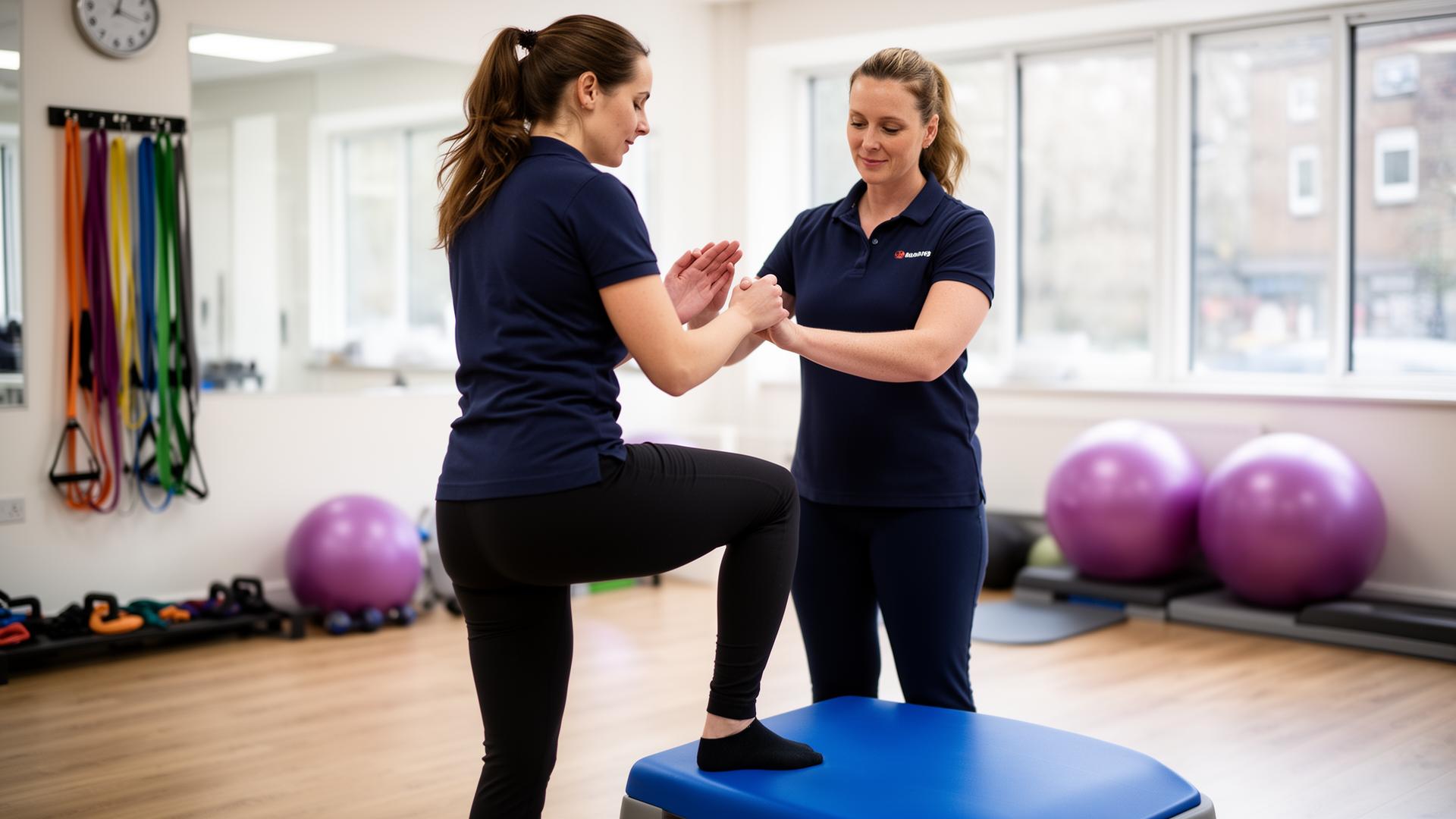
What a running injury assessment covers
Your first appointment starts with the story: when the pain began, what changed in your training, the surfaces you run on, your shoes and what you are aiming for. The physiotherapist then examines the painful area and the rest of the chain, including hip, knee, calf and foot strength, single leg control and mobility. A running gait review forms part of this where it is relevant, looking at how you load each leg as you run. Running gait analysis on its own does not diagnose an injury, so it is always read alongside the examination and your training history.
Common running injuries we assess
Many running problems are overload injuries that build up when training increases faster than the body adapts. These include shin splints, runner's knee, iliotibial band pain on the outside of the knee, Achilles tendon pain, plantar fasciitis in the heel and hamstring strains. Our shin splints guide, plantar fasciitis page and runners page explain these in more detail. Sudden sharp pain, a pop, or pain at one small spot on a bone needs prompt assessment rather than running through it.
Treatment and return to running
Treatment usually combines a load plan, strengthening and a graded return to running. Rather than simply resting until the pain goes, the aim is to keep you as active as is sensible, often with cross training, while the injured tissue builds tolerance. Hands-on treatment, sports massage and, for suitable long standing tendon or heel problems, shockwave therapy may be discussed as part of the plan after assessment. The return to running plan is built around your own goals, whether that is a weekly parkrun or a spring marathon.
Marathon and event training
Training for a half marathon or marathon means a steady rise in weekly distance, and niggles often appear in the build up. If you are working towards an event, tell the physiotherapist the date and your current plan. We can discuss how to adjust the remaining weeks around an injury, but we will be honest if the timescale looks unrealistic. Sports massage can also be booked for muscle tightness during heavy training blocks, and our sports massage page explains how it differs from physiotherapy.
Physio, sports therapist or massage?
People often search for a sports therapist or a sports injury therapist near them when they mean someone who can assess an injury and guide them back to activity. At Bluebell, injury assessment and rehabilitation are carried out by HCPC-registered physiotherapists, and our sports injury clinic page explains the wider service for all sports. If your problem is general muscle tightness rather than pain that changes how you run, sports massage may be the simpler choice.
Booking and what to bring
Appointments run Monday to Saturday, 8am to 8pm, with free parking on site. You can book online without a GP referral or call 01634 757123. Wear or bring shorts and the shoes you usually run in, and if you use a running app or watch, a summary of your recent weeks of training is useful. If you plan to use health insurance, check your cover and any authorisation with your insurer first.
When to seek medical help first
Seek urgent medical care for a deformed or very swollen limb after a fall, calf pain with swelling and heat, chest pain or unusual breathlessness while running, or severe leg pain with numbness or tightness that does not ease after you stop. Pain in one small spot on a bone that hurts at rest or at night should be checked promptly for a stress fracture.
Common questions
Do you offer running gait analysis?
A running gait review is part of the running injury assessment where it is relevant, read alongside the examination and your training history rather than as a standalone test.
Do I need to be a competitive runner?
No. Runners of all levels are welcome, including people just starting out or returning after a break.
Can I keep running while I am injured?
Sometimes, at a reduced level. Your physiotherapist will help you decide based on how irritable the injury is and what you are training for.
Do I need a GP referral?
No. You can self-refer and book directly. If you are claiming on health insurance, check with your insurer whether they need anything first.
Can you help me get ready for a marathon after an injury?
We can assess the injury and discuss how to adjust your training around the event date, and we will be honest if the timescale looks too short.